Soapstone, Concrete, Marble and Butcher Block: Questions About the Less Common Counter Materials
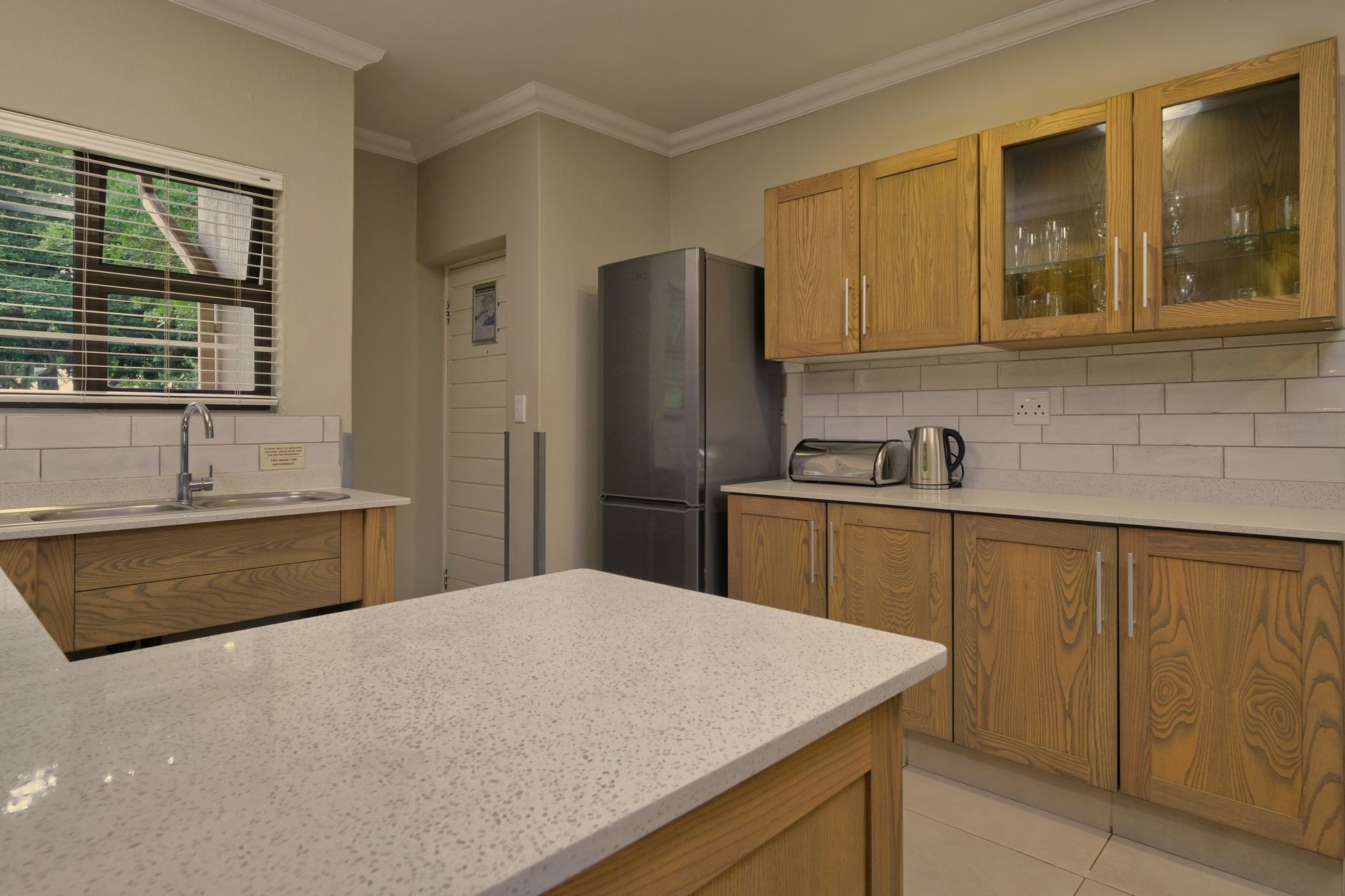
Most Temecula kitchens end up with granite or quartz, and for good reason. A smaller group of homeowners goes looking for something else: soapstone for its dark, soft look, concrete for a poured and personal finish, marble for the veining, or butcher block for a warm work surface at the end of an island. Each of those materials asks for something different in return, and a few of them suit the valley's hot, dry climate better than others. The questions below come up often when someone is weighing one of these choices.
Is soapstone a good fit for a working kitchen?
Soapstone is a dense, quarried stone that is rich in talc, which makes it soft to the touch and very stain resistant. It is nonporous, so wine and oil do not soak in, and acid does not etch it. Heat does not bother it, and a hot pot can go straight down.
The trade is the surface itself. It is soft enough to scratch with a key, and the scratches are part of how soapstone ages. Most owners rub on mineral oil to even out the color, which darkens the stone to a deep charcoal and hides the marks. It will develop a patina over the first year, and the people who like that look rarely regret it. People who want a surface that looks the same in ten years usually choose something harder.
What does concrete do in Southern California heat?
Concrete handles heat without complaint. A countertop poured or cast in a shop and set in place is a mix of cement, sand, aggregate and pigment, so the color can be matched to cabinets or a backsplash. It is a good choice for a patio bar, since the surface is not affected by sun and does not fade.
The weak points are porosity and movement. Raw concrete is porous and stains easily, so a penetrating sealer and sometimes a topical coat go on at the end of the job and are refreshed over time. Hairline cracks are common as the slab cures and expands and contracts with daily temperature swings. Many owners accept them as part of the look. Others ask the maker to plan control joints, or to reinforce the piece, so cracks stay minimal.
Can marble work in a kitchen where people actually cook?
Marble is calcium-based, so acid etches it. A lemon, a splash of vinegar or a tomato sauce spill can leave a dull spot where the polish used to be. Wine does the same, and a glass left overnight can show up as both a stain and an etch.
Some owners accept that and treat the marble as a surface that wears in, in the way a leather chair does. A honed finish hides etching much better than a polished one, which is why many marble kitchens are done in a matte finish. Others use marble only on a baking station or a bathroom vanity and put granite or quartzite where the cooking happens. In a house with a lot of entertaining, a marble island is the first thing guests will touch, and it is also the first thing that will show it.
How does butcher block hold up?
Butcher block is wood, glued up in strips or end grain, and finished with oil or a hard wax. It is soft, quiet, easy on dropped glasses, and a knife leaves marks in it. The marks are usually sanded out with a block and a little oil.
It dislikes standing water, so it is a poor match around an undermount sink unless the edge is sealed and the owner keeps up with it. In Temecula's dry air, wood can shrink and open a gap at the seam, so humidity changes matter more than people expect. Most butcher block in the valley is used as an island top or a single section, with stone elsewhere.
What is the difference between quartzite and quartz, and why does the name matter?
Quartzite is a natural stone, formed when sandstone is fused into dense rock under heat and pressure. Quartz is manufactured from crushed stone bound with resin. The two names are close, and they perform differently. Quartzite is harder than granite and tolerates heat. Quartz resists stains because it has no open pores and is vulnerable to heat and ultraviolet light.
The confusion has a practical side. Some softer stones, such as dolomitic marble, are sold under the quartzite name, and they etch under acid. A fabricator can test a sample with a drop of lemon juice, and a true quartzite will not change.
Are porcelain slabs really counter-ready?
Porcelain slab is a large, thin panel made from clay and minerals and fired at very high temperature. It is nonporous, heat tolerant and does not fade, which is why it has become the first choice for outdoor kitchens in wine country. The color and pattern can imitate marble, concrete or stone, and the surface does not take a stain.
The thin profile is the catch. An edge needs a miter to look thick, and a sharp corner can chip if something heavy lands on it. Cutouts for a sink or a cooktop need rounded corners, since a sharp inside corner starts a crack. A shop that cuts porcelain regularly knows how to handle that.
Which of these suits a home near Lake Skinner or Vail Lake?
Homes around Lake Skinner and Vail Lake tend to sit on larger lots, with patios, outdoor kitchens and long views, and they see more sun and wind than a kitchen tucked into a subdivision. That points toward materials that ignore the weather: porcelain slab, dense granite and sealed concrete. Soapstone and butcher block belong indoors, where they are protected. Marble is a choice made for the look and kept for the spots where acid is rare.
Homes in older parts of town near Old Town Temecula, and in the communities built in the 1990s, usually take a mix. A granite or quartzite kitchen with a butcher block island top is a common combination, since the stone does the heavy work and the wood adds softness.
How is each material cut and fitted?
Granite, quartzite, soapstone and marble are cut at a shop with diamond blades and a water-fed saw, and they are fitted on site with adhesive. Porcelain uses a specialized saw and extra care at the corners. Concrete is either poured in a form at the shop or cast on site, and wood is cut and glued like furniture.
Every one of these starts with a template taken after the cabinets are set, and every one needs a seam in the right place if the run is long. A seam near the sink is a common choice, since it falls in a spot where the eye is busy and the support from the cabinet below is strong.
Does a less common material change how long the job takes?
It can. Soapstone and marble are cut in the shop like granite, so the timeline looks similar. Poured concrete needs cure time before it is sealed and set, and a large slab of porcelain may need to be ordered in for the job. Butcher block is usually the quickest to fit, though it needs finishing before it is used.
The right material is the one whose habits the household can live with, because every surface in this list rewards a different kind of care.