Quartzite or Porcelain Slab for Temecula Homes
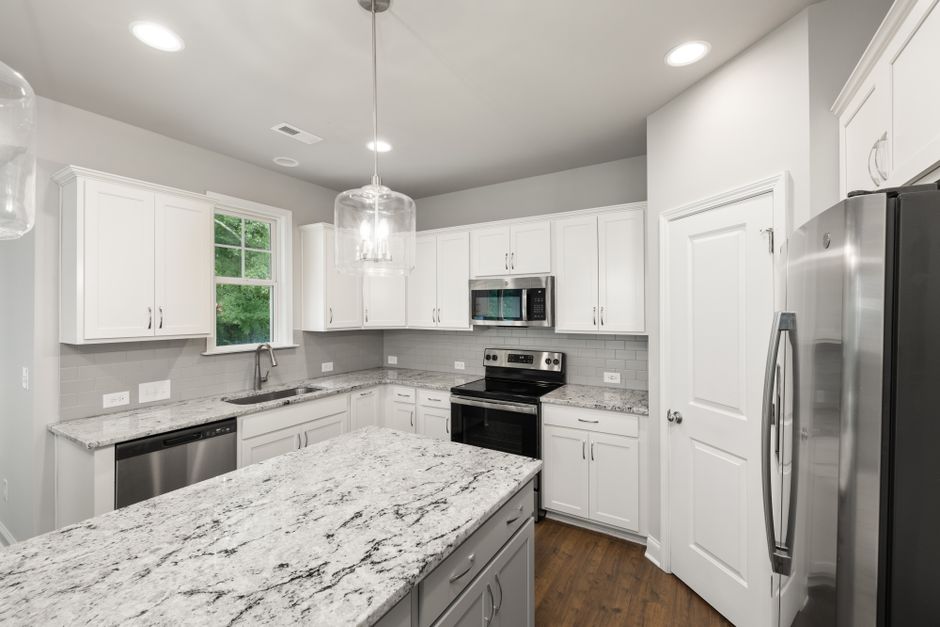
The quartzite slab and the porcelain slab do very different jobs in a kitchen, though both are sold as hard, low-maintenance choices for Temecula, CA homes. Going by the figures kept at custom countertops temecula pretty little wine moms, the two compare most clearly on hardness, heat, edges and how they are cut, so a custom countertop choice usually comes down to the look and the use the surface will see.
What each material is
Quartzite is natural stone, sandstone that was fused into dense rock under pressure. Porcelain slab is manufactured, clay and minerals pressed and fired into a large thin panel. One carries natural veining that no two slabs share. The other can be printed to imitate marble or concrete with a very convincing surface.
Hardness and scratches
True quartzite is harder than granite and resists a knife well. Porcelain is also very hard on the surface, but a sharp impact on a thin edge can chip it. Quartzite is more forgiving of a dropped pot, since the stone is thick all the way through.
Heat and stains
Both handle a hot pan, and porcelain tolerates a grill lid, which makes it a common choice outdoors. Porcelain is not porous, so wine and oil wipe away and it needs no sealer. Quartzite is stone and needs sealing, and a few softer types sold under the name can etch under acid. A fabricator can test a sample with lemon juice, and real quartzite will not change.
Edges and thickness
Porcelain slab is thin, so a thick looking edge is made by mitering two pieces together, which leaves a hairline seam at the corner. Quartzite is cut as a solid piece and takes an eased edge or a bullnose without a join. A waterfall edge on an island is clean in either material, though the mitered porcelain version depends on matching the pattern at the corner.
Cutting and install
Quartzite is cut with diamond blades, and the dense stone is slow to work. Porcelain needs special tooling and a steady hand, because a cutout with sharp inside corners can crack. A sink cutout gets rounded corners in porcelain for that reason. Both are heavy, and a long slab needs a crew and a path to the kitchen. Seam placement is planned before cutting so the veining lines up.
Where each one fits
A family kitchen with a heavy cook leans toward quartzite. A kitchen with a very large west window or an outdoor bar leans toward porcelain slab. A digital template taken at the house decides how many pieces the layout needs, and that count often decides the material.